How Surge Protection Protects Your Appliances
In Sapulpa, surge protection is one of the simplest ways to keep modern appliances and electronics from calling it quits after a storm or grid hiccup. When you add whole-home surge protection, you give your home a first line of defense that helps sensitive circuit boards survive sudden spikes in voltage.
What Power Surges Are And Why They Happen
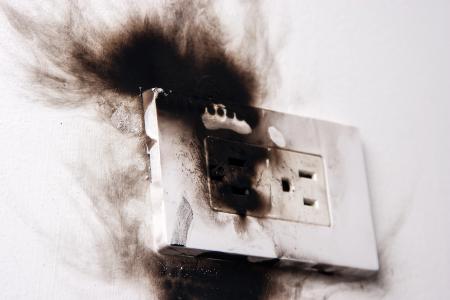
A power surge is a short burst of higher-than-normal voltage that travels through your wiring. It can be caused by lightning, utility switching, power returning after an outage, or even large appliances turning on and off.
In and around Sapulpa, spring and early summer bring frequent thunderstorms. Quick outages and restarts are common during severe weather, and that's when spikes can slip into your home's electrical system and stress everything from your fridge to your WiâFi router.
- External surges: lightning strikes nearby, utility work, or grid issues after storms
- Internal surges: high-draw equipment cycling on, like air conditioners or well pumps
Most surges are small, but repeated hits weaken components over time. A device might keep working for a while, then fail without warning during the next storm.
How Whole-Home Surge Protection Shields Your Appliances
A whole-home surge protective device (SPD) is installed near your main electrical panel. When a spike appears, the SPD quickly diverts excess energy to your grounding system, keeping voltage at a safer level for anything plugged in throughout the home.
Power strips don't equal surge protection. Some strips include small protectors, but they're not designed to handle the size and variety of surges that can move through an entire house. A panel-mounted SPD reduces the spike before it spreads to branch circuits, and you can still use quality point-of-use protectors for extra protection on sensitive gear like TVs or gaming systems.
Think of it like a raincoat and an umbrella. The whole-home SPD is the raincoat that keeps most of the storm off you. A good point-of-use protector is the umbrella that covers a favorite device during a downpour.
What It Protects In A Typical Sapulpa Home
Anything with a circuit board is vulnerable, and today that's nearly every appliance. From homes near Historic Route 66 to newer builds on the outskirts, families rely on equipment that's packed with electronics.
- Kitchen and laundry: refrigerators, ranges with digital controls, dishwashers, microwaves, washers, and dryers
- Comfort systems: HVAC equipment, thermostats, mini-splits, and heat pumps
- Everyday essentials: garage door openers, water heaters with smart modules, well and sump pumps
- Entertainment and work: TVs, computers, gaming consoles, modems, and network gear
Picture a fast-moving storm blowing over Sapulpa Lake. Lights flicker, power blips, and then returns. With a properly installed SPD, that returning surge is routed away from your appliances in a split second, reducing the chance of a silent failure later.
Why Surge Protection Matters In Sapulpa's Weather
Green Country's weather can change on a dime. Lightning, high winds, and quick temperature swings all stress the power grid. Even if a strike doesn't hit your house, it can energize lines nearby and push a spike down the line. Rural edges around Sapulpa sometimes experience longer restoration times after storms, which can mean more opportunities for surges during power cycling.
Spring and early summer storms often arrive with fast-moving fronts that bring lightning and brief outages. Short power returns can send spikes through your system. Installing a whole-home SPD reduces the risk of damage when the lights come back on, and everything reboots at once.
If you work from home or rely on refrigerated medications or a deep freeze, the stakes are even higher. A well-placed SPD helps protect your routine and your wallet by lowering the chance of sudden equipment failure.
Whole-Home Versus Plug-In Strips
Both have a role, but they're not interchangeable. Whole-home SPDs handle large transient surges at the panel, so the spike never reaches most branch circuits. Quality plug-in protectors add a final layer right at the device.
For most Sapulpa homes, the best practice is a layered approach: a panel-mounted SPD plus a few well-chosen point-of-use protectors for high-value electronics. That way a storm-driven spike is reduced at the source and trimmed again before it touches your TV, computer, or sound system.
If you're unsure which devices deserve extra point-of-use protection, talk with alicensed Sapulpa electricianwho understands both your home's layout and your daily use.
Installation, Placement, and Maintenance
Location matters. The SPD should be as close as practical to the main breaker to minimize the path a surge can travel. Short, direct wiring helps the device react quickly and keep residual voltage low.
Only a licensed electrician should install surge protection. Proper grounding, correct breaker sizing, and clean terminations all influence performance. During installation, your electrician will evaluate panel space, service size, and existing grounding to position the device for the fastest response.
Maintenance is simple. Most SPDs include indicator lights that show protection status. It's smart to glance at them during seasonal filter changes or when you test smoke alarms. After a major lightning event or outage, have a professional verify the device is still in good shape and replace it when it reaches the end of its life.
Signs You May Need Surge Protection Now
Some hints are obvious, others are subtle. If you've noticed electronics failing earlier than expected or appliances with control boards acting flaky, that can be the footprint of repeated small surges. Homes near areas with frequent line work or on circuits with lots of large motors starting and stopping may see more of these micro-spikes.
Watch for patterns like these:
- Multiple power blips during thunderstorms or windy days
- Flickering lights that aren't tied to a loose bulb
- Garage door openers, routers, or TVs that fail after an outage
- HVAC boards or thermostats that needed early replacement
Any one sign may have several causes, but together they point to a home that would benefit from panel-level protection.
Choosing The Right Surge Protective Device and Electrician
Look for a unit that's listed to current safety standards and sized for your service. An experienced installer will recommend a device with an appropriate surge current rating for your home and explain where it will sit on the panel. They'll also confirm your grounding system is up to par so the SPD can do its job.
Equally important is the installer. A local pro knows the rhythms of Sapulpa weather and how nearby neighborhoods experience outages and spikes. At Safe Haven Electric, we evaluate your panel, talk through your everyday electronics, and match the protection level to how you actually live.
How Surge Protection Pays You Back Over Time
Surges don't always create instant failures. More often, they quietly reduce the lifespan of motors, compressors, and circuit boards. An SPD lowers those everyday hits, which helps your gear last closer to its intended life.
You may not notice the savings in a single month, but it shows up when your HVAC board makes it through storm season or your fridge avoids a mid-summer breakdown. That peace of mind matters when you're juggling school schedules, commutes along Route 66, and weekend plans on Sapulpa Lake.
Layering Protection For High-Value Gear
After the panel device goes in, consider targeted point-of-use protectors for your most expensive electronics. Place them at the entertainment center, home office, or any spot with a lot of chargers and screens. The layered approach is simple and effective because the biggest hit is handled at the panel, and the small leftover spike is trimmed at the outlet.
Ask your installer which outlets make the most sense. They'll help you avoid gimmicks and choose models that play nicely with your setup.
What to Expect on Installation Day
Your electrician will review the plan, shut off power at the main, mount the SPD next to your panel, and make short, direct connections. They'll label the device, test the operation, and review indicator lights so you know what to look for later. Most homes are back up the same day, and your schedule stays on track.
Before they leave, you'll know where the device is, what the lights mean, and how it works with any plug-in protectors you use for TVs or computers.
Ready to Safeguard Your Home's Electronics?
Protect your home with surge protection service from Safe Haven Electric and keep your appliances and electronics safer year-round. Call 918-807-4325 or schedule surge protection service today.